Table of Contents
▲Solar panels give us clean, reliable energy. They are a great investment. Still, any solar setup can have issues over time. These problems hurt how much power your home creates. Spotting a bad panel quickly saves money and prevents waste. It also keeps your entire system working well. We need that peak power output.
You need this knowledge if you have just a few panels or manage a large group. Learning the solar panel not working signs is vital for every owner. This guide shows the top problems people find. We cover what causes the trouble. Then we explain simple steps to fix things right away.
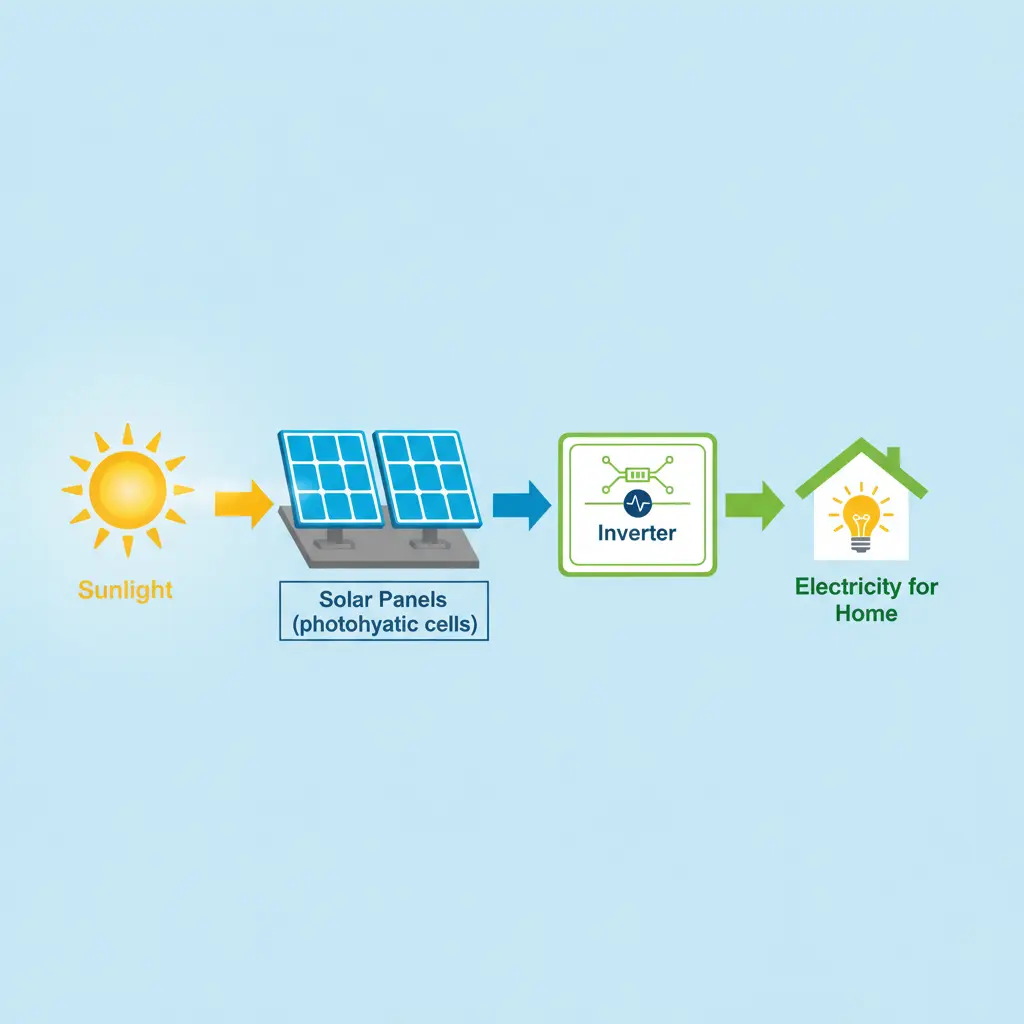
Understanding Solar Panel Functionality
The Basics of Solar Energy Conversion
Solar panels are built to last. They often work well for 25 to 30 years. But problems still pop up over time. You might see less power, physical damage, or system malfunctions. These issues quickly lower how much energy they produce.
Catching these signs early stops energy waste. It also saves you from spending big money on repairs later on. Quick checks protect your total solar investment. This simple step keeps your system safe and your electric bills low.
Critical Signs Your Solar Panel Not Working
1. Significant Drop in Energy Output
What to Look For: Notice the drop in energy production. Look right at the inverter display screen. Check the solar monitoring app on your phone. You may also see the dip show up on your monthly utility bill. If your system typically makes 20 kWh each day, but now only hits 10 kWh, you have an issue. Half power confirms that the system is failing.
Possible Causes:
- Dirt, dust, or debris on panels blocking sunlight.
- Shading from new obstacles (trees, buildings).
- Inverter or wiring issues.
- Panel degradation or internal faults.
2. Physical Damage to Panels
What to Look For: broken glass, chips, discoloration, or cracks on the panel’s surface. Browning of the cells or delamination (layer separation) may also be apparent.
Possible Causes:
- Impact from falling branches, debris, or hail.
- Wear over time or manufacturing flaws.
- Severe weather.
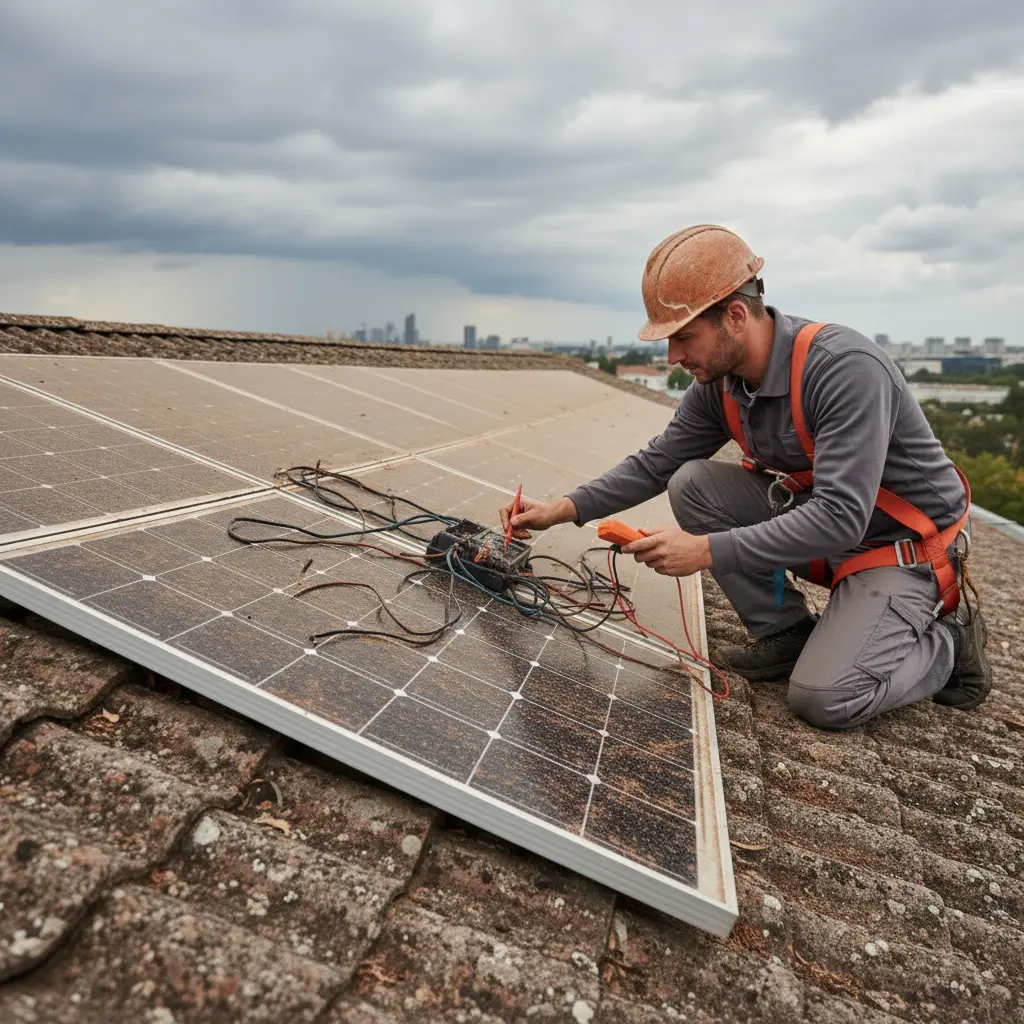
3. Inverter Malfunctions
What to Look For: The inverter display is either fully off, blinking, or displays error codes. Your monitoring system shows no data.
Possible Causes:
- Problems with the power supply or tripped breakers.
- Internal inverter failure or overheating.
- Damaged or loose electrical connections.
Monitoring Your Solar Panel’s Performance
Using Monitoring Apps and Tools
In today’s tech-savvy age, monitoring your solar panel performance is easier than ever—thank you, apps! Most systems come with monitoring tools that allows you to monitor energy production. Think of it as a fitness tracker for your solar panels, allowing you to monitor their health and keep them working at their highest capacity.
Understanding Performance Ratios
Performance ratios may seem complicated, but they are simply a way of measuring the efficiency of your solar panels to convert sunlight into electricity. A good performance ratio is generally in the range of 75-90%. If your performance ratio begins to fall below that, now is the time to intervene and troubleshoot. Who would not want their solar panels to perform well?
Visual Indicators of Damage or Wear
Discoloration or Staining on Panels
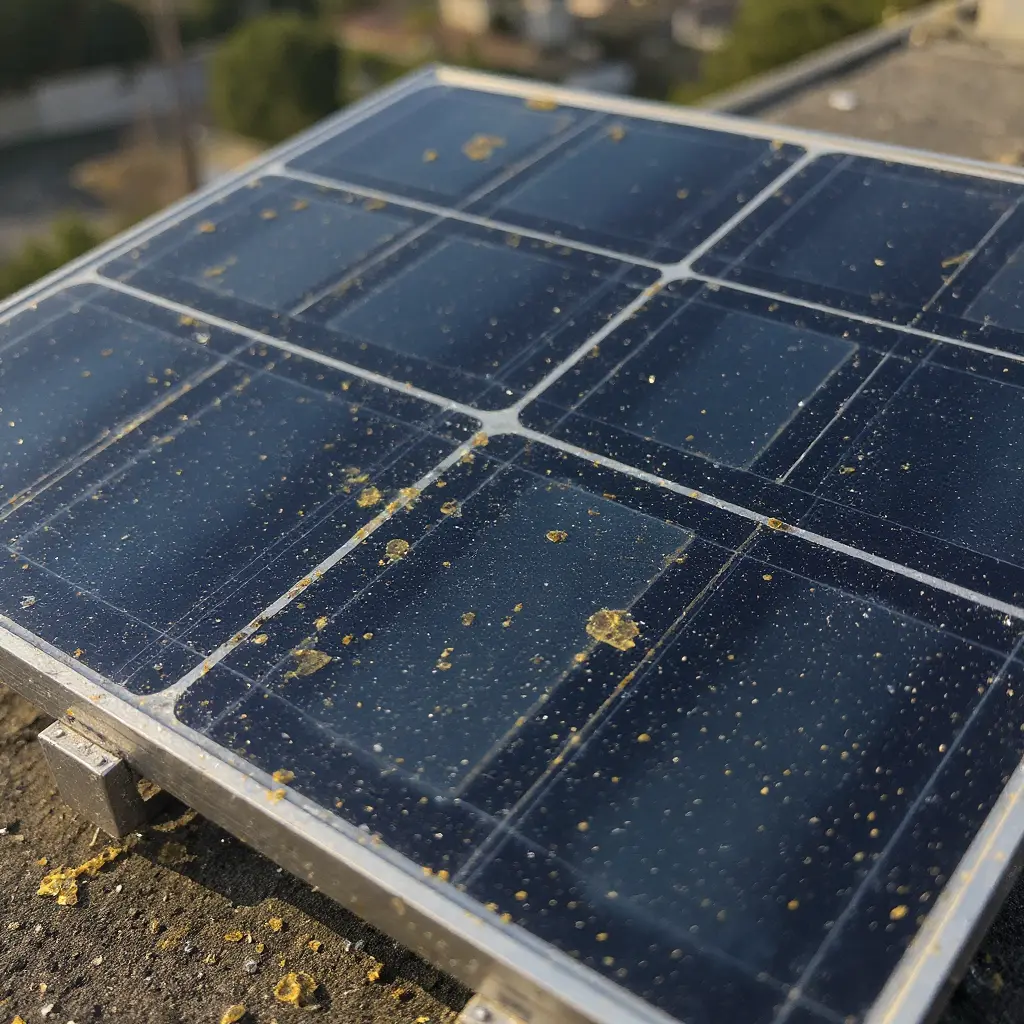
Clouding on solar panels is a sign of material breakdown, damage from the elements, or manufacturing issues, whether from quality or improper setup or application of the wattage of the panels. Regardless of the factor or factors, distress factors may impact energy efficiency or the longevity of your solar panel system.
Solar panels have a lifespan of 25 – 30 years, but the quicker you can eliminate or remediate the disappearing performance of the solar panel or other distress factors, the longer the solar panel system can continue to serve you well, while protecting the value of your investment. In general, the first thing you notice with solar panel discoloration is decreased energy efficiency, safety or replacement.
Cracks and Physical Damage
Cracks and physical damages in solar panels can be significant issues that impact energy output and longevity of the system.
All damages can lead to decreases in efficiency of the panels and may lead to further damages from disrupting connections in the solar cells, inducing moisture, or creating hot spots, which over time can lead to increase damage and fire hazards. It is important to conduct all maintenance at the start of the season and regularly inspect panels for visible signs of damage.
For all repairs, the installer or the manufacturer requires that a licensed technician properly repair or replace the panels. Regular maintenance and immediate repairs will contribute to an efficient and longevity for the solar energy system.
Unexpected Increases in Electricity Bills
If you notice an unexpected increase in your electric bills, this may mean your solar panel system is not functioning properly. If the solar panels are broken, the system cannot produce electricity which means you will have to rely on your utility more.
There are many things that can damage the system and lower electricity generation: cracked panels, wiring issues, or an inverter that may be disconnected. No matter the cause, once something stops generating energy, your generation is interrupted. For example, if the solar cells are cracked, or dirty, you may see a slew of lost generation.
Preventive Maintenance Tips
Regular Cleaning: Using water and a soft brush, clean panels every six to twelve months to get rid of dust, leaves, or bird droppings. Steer clear of abrasive materials.
Annual Inspections: To identify problems early, have panels, wiring, and inverters inspected by a professional once a year.
Monitor Performance: Track output on a regular basis using the inverter display or the monitoring app on your system. Compare with the anticipated output depending on the panel age and weather.
Trim Vegetation: To avoid shadowing or debris accumulation on panels, keep trees and shrubs trimmed.
Check Warranties: To find out what is covered for repairs or replacements, review the warranties on your panels and inverters, which are normally 10 to 25 years.

Troubleshooting Table
| Issue | Possible Cause | Solution |
|---|---|---|
| Low energy output | Dirt, shading, or inverter issues | Clean panels, trim shading vegetation, check inverter for errors. |
| Physical damage | Hail, debris, or wear | Document damage, contact installer for warranty, schedule repairs. |
| Inverter not working | Power issues or internal failure | Check power switch/breaker, ensure ventilation, call technician. |
| Hot spots or burn marks | Debris or defective cells | Clean panels, contact technician for inspection and repair. |
| Tripped breakers/fuses | Short circuits or faulty wiring | Reset breaker if safe, call electrician to diagnose wiring issues. |
Conclusion
To keep your solar system working effectively and efficiently, it is good to identify some key indicators you may have a broken solar panel. You may notice that energy output is down, you visibly see damage, or there are recurring issues with your inverter or electrical functioning, and those are all good indicators to check in on your solar panels to get them to perform at their best.
With regular check-ins or quicker problem hiring a professional, the investment in solar will provide you with clean energy for many years to come. Start taking note of your solar system today so that you are proactive in allowing it to shine!