Table of Contents
▲Solar power has become extremely popular. It is a smart, affordable choice for energy at home or work. Homeowners and companies must understand potential system problems. Solar technology is designed to be tough and run for years. Yet, outside factors often hurt panel performance or longevity. Watch out for dropped energy output or physical damage.
Catching these issues quickly saves both time and money. We break down the most typical solar panel problems right here. We explain their causes and offer strong solutions. This keeps your entire solar investment working hard for you.
Introduction to Common Solar Panel Problems
Solar panels change sunlight directly into power. They work constantly to give your home electricity. Even these helpful systems run into trouble sometimes. Knowing the common solar panel issues matters greatly. Homeowners must understand these problems to use the sun’s power right.
Overview of Solar Panel Functionality
Solar panels use special parts called cells. These cells grab energy directly from the sun. They turn that incoming light into a basic type of power. When the sun hits these spots, it creates an electric flow. This initial power is called direct current, or DC. That DC power is not ready to run your home appliances.
It must first move over to a box known as the inverter. This device flips the DC energy into alternating current, or AC power. AC is the standard electrical current for everything in your house. If something breaks in this process, the lights go out fast. You might end up sitting in a dark living room. That means no power for your weekend movie binge.

Importance of Identifying Issues Early
Catching problems early saves you both stress and major repair bills. Think of it like that strange noise coming from your engine. Ignoring it means you might get stranded on the road later. Overlooking solar panel issues hurts your system’s output.
Your monthly energy costs will quickly rise. Regular monitoring finds these little flaws fast. This stops them from becoming huge system disasters. You ensure the best return on your solar investment this way.
Decreased Energy Output
The dreaded decreased energy output is a nightmare for all solar panel owners. It’s similar to working out for hours at the gym and still not being able to fit into your favorite jeans.
Causes of Reduced Efficiency
A decrease in energy output can be caused by a number of factors. Debris, dust, and dirt can cover the panels, obstructing the positive energy like an unexpected guest. Furthermore, shadowing from surrounding structures or trees frequently obstructs the best possible energy production.
Age also plays a role; as solar panels age, their effectiveness may progressively deteriorate.
Monitoring and Measuring Performance
Pay careful attention to how much energy you are producing! The majority of solar systems include monitoring applications that let you keep tabs on performance in real time. It’s time to evaluate the situation if you observe a decrease in your output or if your panels aren’t producing as you had anticipated. A quick fix can be achieved with a little proactive monitoring, imagine it as a wellness check for your panels!
Physical Damage and Wear
Solar panels are subject to wear and tear, just like any other component of your house. They may eventually develop problems that are not immediately apparent but have a big effect on performance.
Types of Damage (Cracks, Dents, etc.)
There are many ways that physical damage can show up, such as cracks on the panel surface or dents from hail or falling debris. These flaws can stop solar cells from working properly, which can make them less efficient. A small crack can cause localized heating, which can make the problem worse if you don’t fix it like that one weird bump on your favorite chair that you keep ignoring.
Impact of Weather Conditions
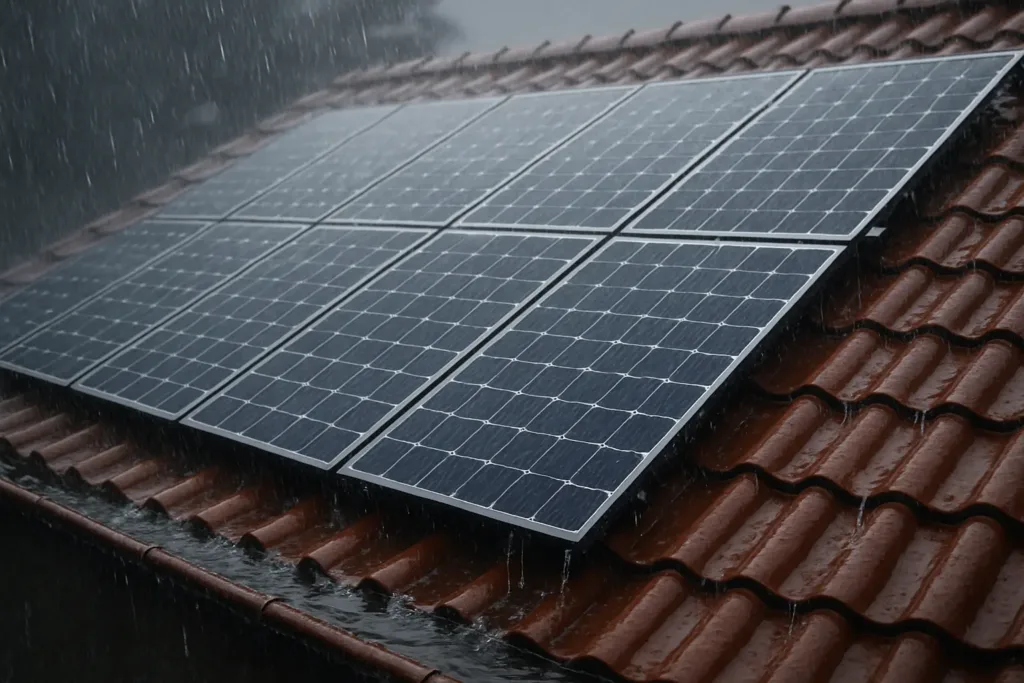
Solar panels can be harmed by extreme weather conditions. Whether it is excessive rain, cold snow, or a hail storm, the weather can always be the enemy. Changing temperatures can affect materials when they expand and contract, which can cause damage in the future. Consistent inspections can help you identify climate damage, especially after severe weather, before it turns into an unsightly hole in your dream of savings.
Inverter Issues
The inverter is the conscientious manager who makes sure everything works properly, if the solar panels are the diligent workers. However, it may encounter issues like any other manager.
Understanding Inverter Functionality
The inverter is necessary as it converts the solar panels’ DC electricity from solar panels to usable AC electricity for your home. To put it another way, the inverter is the quiet partner in your solar system that can also be called a coal-roller, yet quietly.
The inverter takes the energy from the solar panels and sends it to your home, while also tracking performance and communicating with your utilities while it is doing its job. But when the inverter malfunctions or goes down (insert scary music) – when that happens, the performance symphony comes to a halt.
Common Inverter Problems
Inverter problems can be anything from a minor glitch to a significant issue! The most common problems can be overheating, not turning on, or just failure after years of service. Checking the inverter regularly and ensuring good ventilation always helps! If your inverter has the warning lights flashing brighter than your holiday lights, perhaps it’s time to have a professional check it!
Wiring and Electrical Problems
Identifying Faulty Wiring
When contemplating solar panels, noticing details in wiring is critical. Bad wiring can lead to wasted energy, odd smells or fires. Signs that there may be a problem are short or frequent resets of the system, strange noises coming from the inverter, or noticeable drops in energy production. And if your gut tells you something is wrong, don’t ignore it, check the wires!
Electrical Overloads and Short Circuits
Pushing your solar system too much is akin to putting too much stuff in a suitcase, it simply won’t carry. If you are turning up the voltage with new appliances, make sure your system can take the extra heat. Short circuits are the party-crashers of electrical systems, they occur when electrical current takes a shortcut that can damage your solar panels or inverter. If you hit a tripped breaker or see lights that are flickering, then it’s time to call in the professionals before you become shocked!

Installation and Orientation Challenges
Importance of Proper Installation
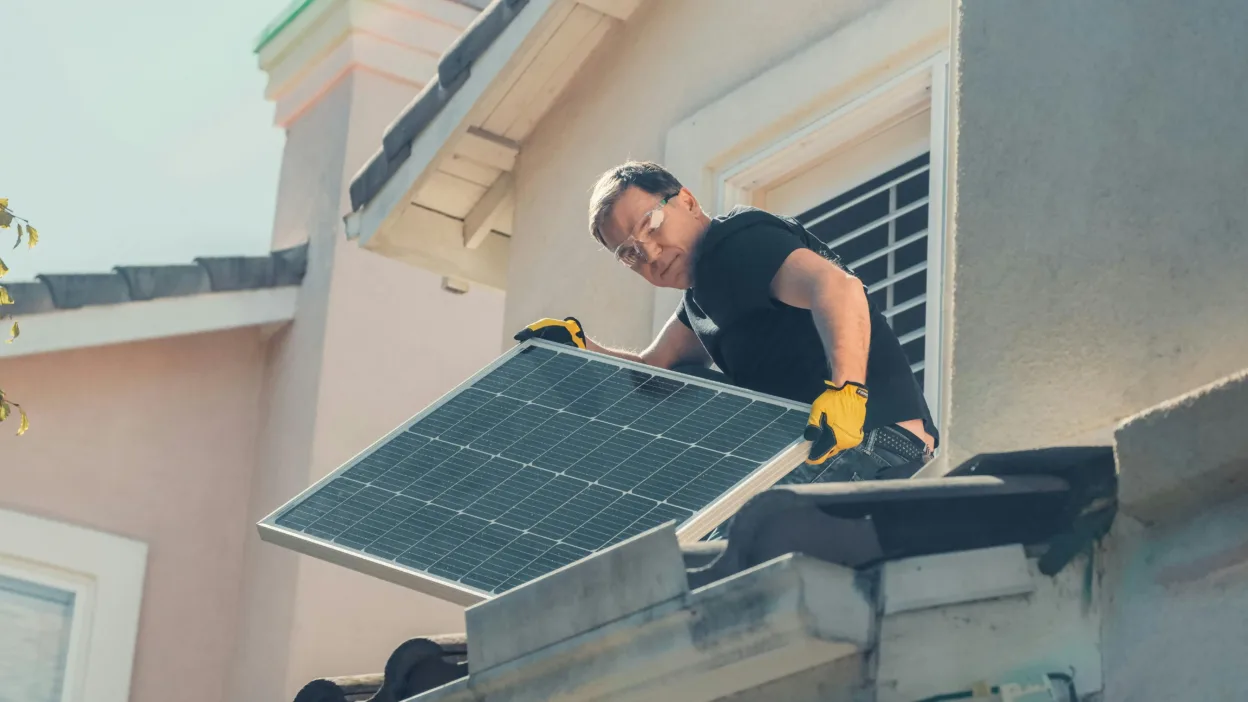
The factor that determines if solar panels work properly is a proper installation. Think of proper installation like a relationship: if you do not cover the basics, the relationship will derailing. All panels should be securely mounted, wired correctly, and the appropriate inverter should be used.
A poorly installed solar panel system can lead to leaks, electrical fires, and inefficient systems. Unless you have a solar engineering degree, save yourself the trouble and have a reputable company install a solar panel system!
Optimal Orientation and Angle
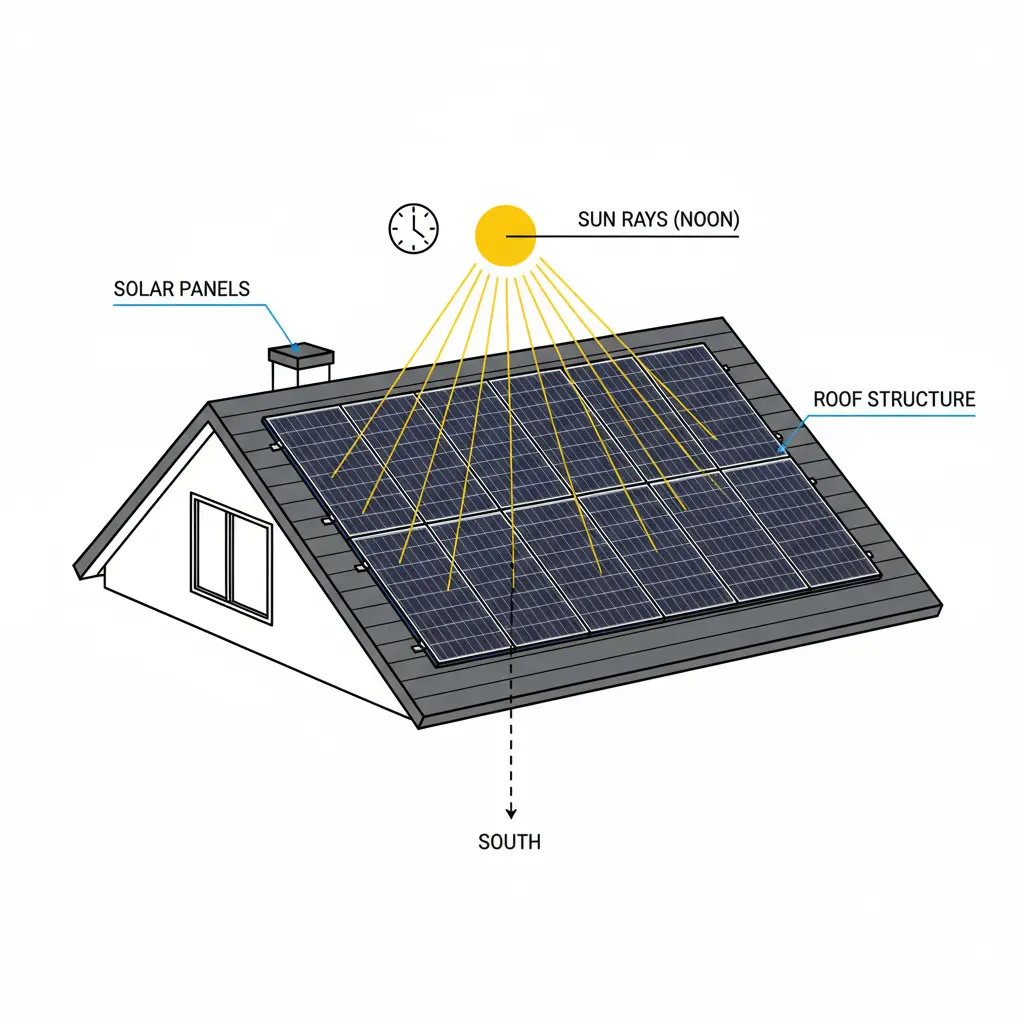
How effective your solar panels will be will usually depend on their tilt and orientation, much like the condition and circumstance of your sunglasses! The best case scenario would be solar panels facing south, and tilted so they are perpendicular to the rays of the sun.
Either way, think about where you are in relation to the geographic location, as well as the seasons. Also remember if a tree or a building is shading your solar panel there may be a need to prune, or relocate!
Environmental Factors Affecting Performance
Impact of Shade and Dust
Shade is a solar performance’s worst enemy; you should think of shade as a wet blanket on a sunny day. It only takes a small shadow to decrease your efficiency immensely. It is very important to ensure your panels receive full sun, as they are not able to perform with shade.
Dust, dirt, and debris are also uninvited guests at the solar panel party. A little cleaning will go a long way; if not, your panels may be performing like a sloth on Sunday!
Temperature Effects on Solar Panels
Did you know that solar panels are actually more efficient when operating in cooler temperatures? While solar panels are not unfriendly to the heat (after all, they are devices that use the energy of the sun), when the temperatures rise, they will produce energy output at rates lower than when operated in cooler temperatures, but for different reasons, it’s not that they will melt like your ice cream will!
As temperatures increase, the cells build increased resistance which lowers energy output than would occur at cooler temperatures. You could resort to some shading to keep solar panels in peak performance who said the solar panel can’t have a cooling breeze as well?
Maintenance Tips to Prevent Problems
Regular Inspections and Cleaning
Similar to how you can regularly forget to give the houseplant some water, solar panels also need some attention! Regular inspection will identify any problems before it’s too late, and cleaning will help reduce dirt and grime that reduces efficiency. You should strive for at least a bi-annual cleaning-it’s like self-care for your panels!

Professional Maintenance vs. DIY
It may be a challenge if you will be performing some of the maintenance yourself or calling a professional. If you are somewhat of an adventurer, and have some tool skills, maybe you will do some of the smaller maintenance items. If you would like to get help with the heavy lifting (climbing on roofs, etc.), then you would want to call a professional. A professional especially has the experience, knowledge, and safety equipment to ensure everything can be done safely, while you sip iced tea!
In conclusion, knowing what issues are more likely with your solar panels are critical for the efficiency and longevity of your solar energy system. If you can focus on performance, follow-up maintenance, and correct issues, you can maximize the efficiency of your solar investment. As renewable energy increases in importance in the sustainability conversation, maintaining your solar panel system will also mean an ongoing savings of energy consumption and contribute to greater sustainability.